
The Concept of House Edge
The house edge is a fundamental concept in gambling that highlights the advantage a casino maintains over its players. This mathematical edge is not merely theoretical; it is a calculated percentage embedded into the games that ensures the casino retains a portion of every wager. For example, in a game of roulette, the presence of a zero or double zero slot gives the house an edge, as these outcomes mean players cannot simply recover their bets. Additionally, many platforms, such as 1win , offer various games that also incorporate these principles, making it statistically more likely for the house to generate profit over time, thus reinforcing the idea that the odds are not in the players’ favor.
In card games such as blackjack, the house edge is similarly derived from rules that favor the dealer. Players must follow specific protocols, like standing on certain totals, while the dealer can continue to draw cards until reaching a required number. This slight statistical advantage, which can be around one percent or more, may seem modest but compounds significantly over the vast number of hands dealt throughout a day. The house edge serves as a constant reminder that while players can win in the short term, the structure of the game is engineered to ensure the casino’s profitability over the long run.
Ultimately, the house edge acts as a mathematical reminder of the risks involved in gambling. While luck may occasionally favor a player, the consistent application of the house edge guarantees the casino’s profitability over time. This paradox creates an environment where players can experience fleeting victories, yet the casino remains poised to profit in the grand scheme, reinforcing the notion that the house always wins.
The Role of Probability in Gambling
Probability is a critical component in understanding the mechanics of gambling and clarifying why the house maintains its advantage. Each game within a casino operates based on established probabilities that dictate the odds of winning or losing. Take poker, for instance, where the likelihood of drawing a particular hand can be determined using combinatorial mathematics. While players may believe they can outsmart the house through skill or strategy, a deeper understanding of these probabilities reveals that they are meticulously designed to favor the casino.
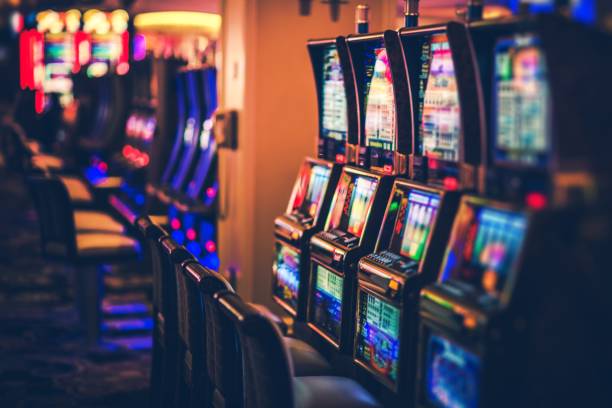
Slot machines, in particular, illustrate the role of probability in gambling. These machines utilize random number generators to determine outcomes, and the probability of hitting a jackpot is often minuscule, carefully engineered to ensure that a substantial percentage of players’ bets contribute to the casino’s profits. Although the randomness might appear fair, it is strategically crafted to maximize losses for the players, thereby guaranteeing a steady stream of income for the casino. This calculated approach demonstrates that probability is not merely a theoretical concept; it is a practical strategy that underpins the house’s success.

Moreover, psychological factors significantly influence how players perceive and respond to probability. Many gamblers cling to the belief that they can somehow beat the odds through intuition or skill, which often leads to decisions that seem sound but are ultimately misguided. The unyielding mathematical truths that govern these games ensure that, irrespective of individual strategy, the casino’s operating model prevails. This reality underscores the need to comprehend the role of probability in gambling, emphasizing that while players may enjoy occasional wins, the house advantage creates a long-term trend that consistently favors the casino.
The Law of Large Numbers
The law of large numbers is a statistical principle crucial for comprehending why the house consistently wins. This law asserts that as the number of trials increases, the outcomes will gradually align with the expected probabilities. In gambling, this means that while a player might experience a winning streak in a limited number of games, over an extended period, the results will revert to reflect the inherent house edge. This mathematical certainty can be sobering for players who may not see the broader picture.
For instance, a player who bets on red in roulette might win several times in a row. However, over the course of thousands of spins, the expected returns will inevitably reflect the house’s advantage, resulting in losses that outweigh the wins. This statistical phenomenon emphasizes that while gambling can be unpredictable in the short term, the law of large numbers ensures that outcomes will ultimately reflect the statistical realities of the game, reinforcing the house’s edge over time.
Understanding the law of large numbers can also assist players in recognizing the importance of setting limits and practicing responsible gambling. This principle illustrates that chasing losses or engaging in impulsive betting is often a fruitless endeavor. By accepting that the house always holds an edge, players can develop a more strategic approach to gambling, concentrating on enjoyment instead of misguided attempts to defeat the odds. This shift in mindset can foster a healthier relationship with gambling, allowing players to savor the experience without succumbing to unrealistic expectations.
The Illusion of Skill and Strategy
Many individuals enter casinos with the belief that skill and strategic play can help them overcome the house advantage. While certain games, like poker or blackjack, do allow for a degree of strategic decision-making, the underlying mathematical principles still favor the house in the long run. Even the most skilled blackjack player can only minimize the house edge; they cannot eliminate it entirely. Although employing a basic strategy can improve a player’s odds, the reality remains that the house is statistically positioned to profit over time.
In poker, where elements like bluffing and understanding opponents can provide an edge, the house still maintains its profitability through the rake taken from each pot. This means that even in skill-based games, the systematic advantage of the house ensures it will continually capture a portion of all bets placed. For players who mistakenly believe that skill alone can consistently lead to victory against the house, this can be disheartening.
Furthermore, it’s essential to recognize that many games marketed as “games of skill” often incorporate elements of chance that ultimately shift the balance back in favor of the house. As players gain experience and confidence, they may underestimate the randomness of certain outcomes. Consequently, while a knowledgeable player may excel in specific situations, the structural design of the game guarantees that the house edge remains the dominant influence guiding long-term results.
Expanding Your Understanding of Gambling Mathematics
To fully grasp the mathematics behind why the house always wins, players should consider dedicating time to learn about gambling probabilities, expected value, and statistical analysis. Numerous resources are available, including online articles, books, and tutorials that delve into these concepts, equipping players with insights into how games are designed to maintain the house advantage. A solid understanding of these principles can empower players to make informed decisions and manage their bankroll more effectively.
Applying mathematical concepts, such as expected value, can significantly alter a player’s approach to gambling. By comprehending the potential outcomes associated with each wager and weighing risks against rewards, players can better evaluate whether a specific bet is worth pursuing. This analytical mindset can help mitigate losses and enhance the overall enjoyment of the gaming experience, transforming gambling from a purely luck-based endeavor into a more strategic and informed activity.
A deeper understanding of gambling mathematics also facilitates better budgeting and limit-setting strategies. Recognizing that the house will likely win can prompt players to create a gambling plan focused on entertainment rather than a misguided pursuit of profit. This approach fosters healthier gaming habits, where the thrill of playing takes precedence over the desire to win, ultimately contributing to a more sustainable and enjoyable gambling experience.